
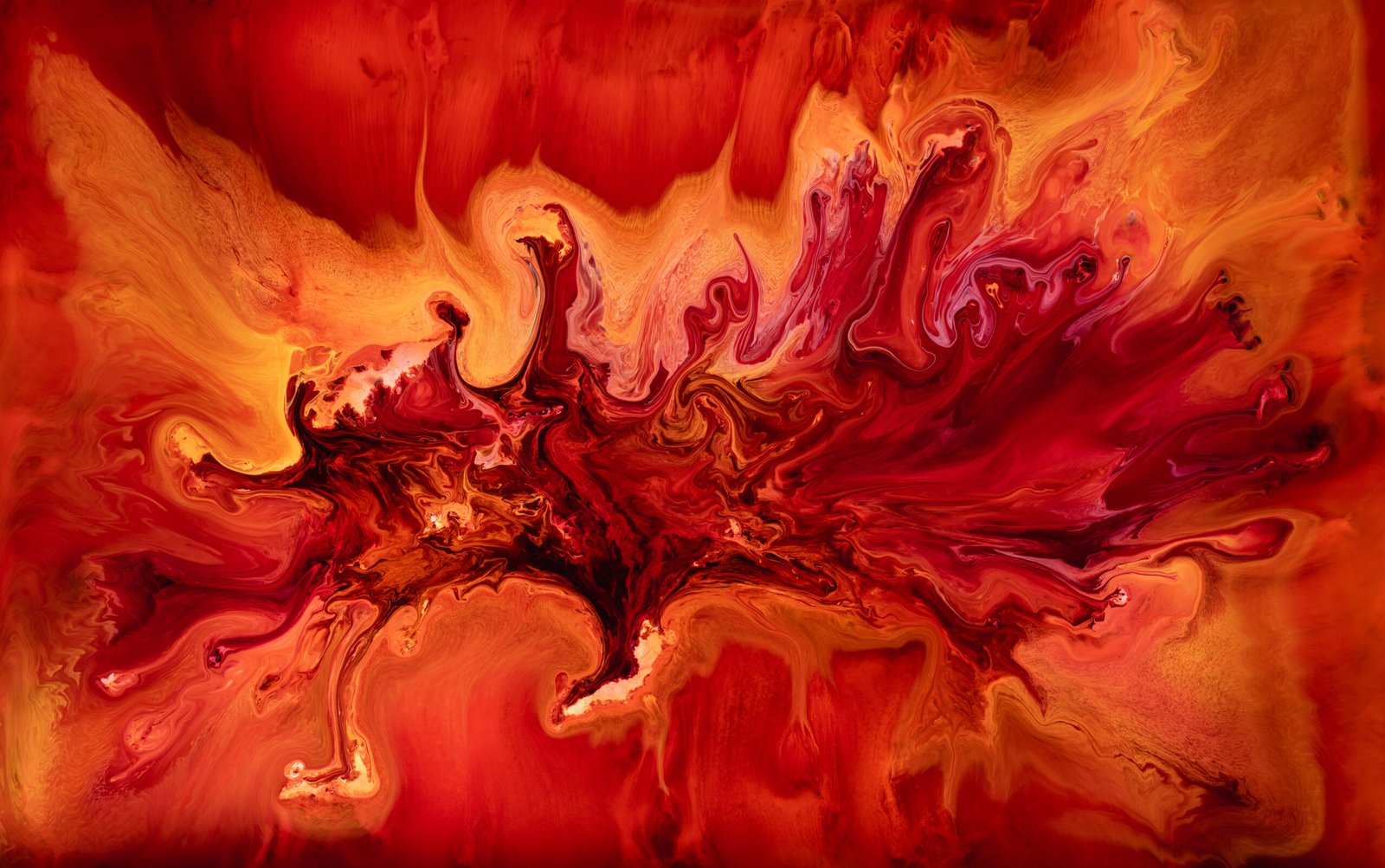
The Fire Element (火) in Daoist Philosophy
Exploring the dynamic force of transformation in the Five Elements Theory
Introduction to the Five Elements
In Daoist philosophy, the universe is understood through the lens of Wu Xing (五行) or the Five Elements theory. These five fundamental forces—Wood (木), Fire (火), Earth (土), Metal (金), and Water (水)—are considered the building blocks that constitute all phenomena in the natural world. Rather than being static substances, they represent dynamic processes and phases of transformation that continuously interact with and influence one another.
Of these five elemental forces, Fire (Huo, 火) stands out as a particularly powerful and transformative energy. It symbolizes the height of yang energy, representing expansive, ascending, and radiant qualities that illuminate, transform, and sometimes consume. The Fire element embodies the spirit of summer, the pinnacle of light and heat in the annual cycle.
Characteristics of the Fire Element
The Fire element in Daoist philosophy embodies several key qualities:
Upward Movement: Fire’s energy naturally rises, symbolizing aspiration, expansion, and spiritual elevation. This upward momentum represents transformation and the release of energy.
Heat and Light: As the source of warmth and illumination, Fire dispels darkness both literally and metaphorically. It represents clarity, awareness, and consciousness.
Transformation: Perhaps most significantly, Fire possesses the ability to transform substances from one state to another. It can convert solid matter into ash, smoke, and pure energy—a powerful metaphor for alchemical and spiritual transformation.
Vibrant Activity: Unlike the more passive elements, Fire exemplifies active energy—crackling, moving, and constantly changing form. It symbolizes excitement, passion, and dynamic life force.
Fire in the Generative and Controlling Cycles
In Wu Xing theory, the Five Elements interact through two primary cycles: the generating (生, shēng) cycle and the controlling (克, kè) cycle.
In the generative cycle:
- Wood feeds Fire: The energy of springtime growth provides fuel for the flames of summer.
- Fire creates Earth: Through its transformative power, Fire turns matter into ash, contributing to the formation of soil and Earth.
In the controlling cycle:
- Fire melts Metal: The intense heat of Fire can overcome and liquefy Metal’s solidity.
- Water extinguishes Fire: The cooling, descending properties of Water can control and limit Fire’s expansive nature.
These relationships reveal how Fire serves as both a creative and destructive force within the cosmic balance. Its ability to transform is essential, yet must be kept in check by other elemental influences.
Fire in Traditional Chinese Medicine
In Traditional Chinese Medicine (TCM), which draws heavily from Daoist philosophy, the Fire element corresponds to specific organs and meridians within the human body:
Heart and Small Intestine: The primary Fire organs, governing blood circulation and the separation of pure from impure.
Pericardium and Triple Warmer: The secondary Fire organs, managing protection and the regulation of temperature throughout the body’s three energy centers.
Fire’s influence extends to emotional and mental aspects as well. When balanced, the Fire element supports joy, enthusiasm, and mental clarity. When excessive, it may manifest as anxiety, restlessness, or insomnia. When deficient, depression, coldness, and lack of motivation may emerge.
TCM practitioners often address Fire imbalances through acupuncture, herbal remedies, dietary adjustments, and lifestyle recommendations that help regulate this powerful element’s expression within the body’s complex ecosystem.
Spiritual Dimensions of Fire
Beyond its physical manifestations, the Fire element holds profound spiritual significance in Daoist tradition:
Illumination: Just as a flame illuminates darkness, the Fire element represents the light of consciousness and spiritual awareness that dispels ignorance.
Purification: Fire’s ability to burn away impurities makes it a symbol of spiritual purification and the refinement of one’s inner nature.
Transformation: In internal alchemy (Neidan), Fire represents the transformative processes through which practitioners transmute their base nature into refined spiritual essence.
Daoist meditation practices often employ visualizations of inner fire to activate and circulate vital energy throughout the body’s energy centers. By cultivating and directing this inner fire, practitioners seek to achieve spiritual transformation and ultimately, immortality—the highest aspiration in classical Daoist practice.
Living in Harmony with Fire
In contemporary life, understanding the Fire element offers valuable wisdom for maintaining balance:
Respecting Fire’s Power: Acknowledging the potentially consuming nature of passion, ambition, and intense emotions prevents burnout and excessive depletion.
Cultivating Healthy Fire: Nurturing joy, enthusiasm, and creative expression allows Fire’s positive qualities to flourish without becoming destructive.
Finding Balance: Incorporating practices that honor both Fire and its complementary elements helps maintain overall harmony—balancing activity with rest, passion with reflection, and transformation with stability.
By developing a relationship with the Fire element that recognizes both its gifts and its challenges, we can integrate its transformative power into our lives in ways that foster growth, creativity, and spiritual illumination rather than depletion or destruction.
To explore authentic Daoist tools and resources for working with the Five Elements, visit our specialized shop featuring carefully selected items that support harmonious living in accordance with ancient wisdom.
五行理论简介
在道家哲学中,宇宙通过五行(Wu Xing,五行)理论来理解。这五种基本力量——木(Wood)、火(Fire)、土(Earth)、金(Metal)和水(Water)——被认为是构成自然界中所有现象的基本要素。它们不是静态的物质,而是代表着不断相互作用和影响的动态过程和转化阶段。
在这五种元素力量中,火(Huo,火)作为一种特别强大和变革性的能量脱颖而出。它象征着阳气的高峰,代表着扩张、上升和辐射的特质,能够照亮、转化,有时甚至消耗。火元素体现了夏季的精神,是年度周期中光明和热量的顶峰。
火元素的特征
道家哲学中的火元素具有几个关键特质:
向上运动:火的能量自然上升,象征着追求、扩张和精神提升。这种向上的动力代表着转化和能量的释放。
热量和光明:作为温暖和照明的来源,火驱散了字面和隐喻上的黑暗。它代表清晰、意识和觉知。
转化:也许最重要的是,火具有将物质从一种状态转变为另一种状态的能力。它可以将固体物质转化为灰烬、烟雾和纯能量——这是炼金术和精神转化的强大隐喻。
活跃的活动:与更被动的元素不同,火体现了活跃的能量——噼啪作响、移动,并不断变换形式。它象征着兴奋、激情和充满活力的生命力。
火在生成和控制循环中的作用
在五行理论中,五行通过两个主要循环相互作用:生成(生,shēng)循环和控制(克,kè)循环。
在生成循环中:
- 木生火:春季生长的能量为夏季的火焰提供燃料。
- 火生土:通过其转化力量,火将物质转化为灰烬,促进土壤和土的形成。
在控制循环中:
- 火克金:火的强烈热量可以克服和液化金的固态。
- 水克火:水的冷却、下降特性可以控制和限制火的扩张性质。
这些关系揭示了火如何在宇宙平衡中同时作为创造和破坏力量。它的转化能力是必不可少的,但必须受到其他元素影响的制约。
火在中医学中的应用
在深受道家哲学影响的中医学中,火元素对应人体内的特定器官和经络:
心脏和小肠:主要火脏器,管理血液循环和清浊分离。
心包和三焦:次要火脏器,管理保护和调节体内三个能量中心的温度。
火的影响也延伸到情绪和精神层面。当平衡时,火元素支持喜悦、热情和精神清晰。当过度时,它可能表现为焦虑、躁动或失眠。当不足时,可能出现抑郁、寒冷和缺乏动力。
中医从业者常通过针灸、草药疗法、饮食调整和生活方式建议来解决火失衡问题,帮助调节这种强大元素在身体复杂生态系统中的表达。
火的精神维度
超越其物理表现,火元素在道家传统中具有深刻的精神意义:
照明:正如火焰照亮黑暗,火元素代表着驱散无知的意识之光和精神觉醒。
净化:火消除杂质的能力使其成为精神净化和个人内在本质提升的象征。
转化:在内丹术(Neidan)中,火代表修行者将基本本性转化为精炼精神本质的变革过程。
道家冥想实践经常采用内火的观想来激活和循环体内能量中心的生命能量。通过培养和引导这种内在之火,修行者寻求实现精神转化,最终达到不朽——这是古典道家修行的最高追求。
与火和谐共处
在当代生活中,理解火元素为保持平衡提供了宝贵的智慧:
尊重火的力量:认识到激情、野心和强烈情绪的潜在消耗性质,防止精疲力竭和过度消耗。
培养健康之火:培养喜悦、热情和创造性表达,让火的积极品质在不变得破坏性的情况下茁壮成长。
寻找平衡:融入尊重火及其互补元素的实践,有助于维持整体和谐——平衡活动与休息、激情与反思、转化与稳定。
通过发展与火元素的关系,既认识到它的礼物也认识到它的挑战,我们可以将其变革力量融入我们的生活,以促进成长、创造力和精神启迪,而非消耗或破坏。
如需探索用于处理五行的正宗道家工具和资源,请访问我们的专业商店,这里精选了支持根据古老智慧和谐生活的精选物品。