

Types of Hairpins: Complete Guide to Styles & Uses
Struggling to choose the right hairpin for your hairstyle? With countless types of hairpins available, from traditional Chinese designs to modern accessories, finding the perfect one can feel overwhelming. This comprehensive guide reveals every type of hairpin you need to know, helping you select the ideal style for any occasion or hair type.
What Are Hairpins? Definition and Overview
Hairpins are essential hair accessories designed to secure, style, and decorate hair. These versatile tools have evolved from simple functional items to intricate pieces of art that reflect cultural heritage and personal style. The term “hairpin” encompasses a wide range of accessories, from basic bobby pins to elaborate decorative pieces.
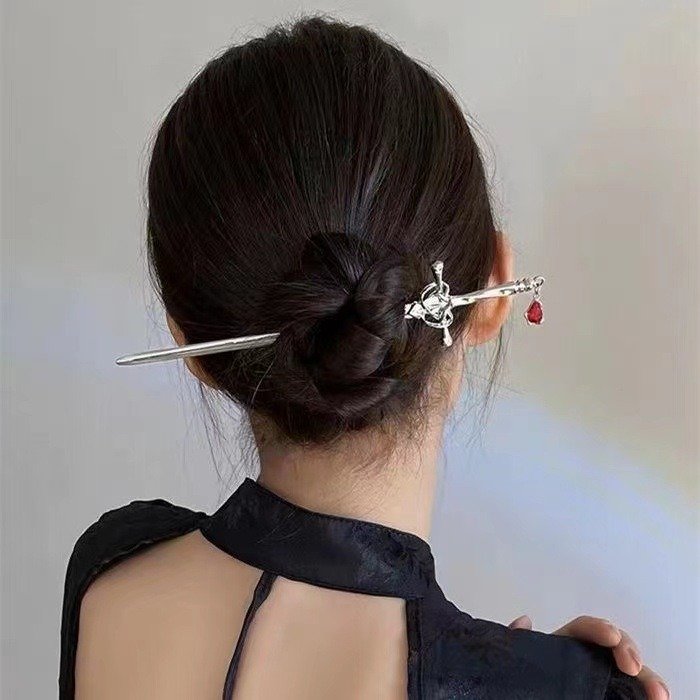
Traditional hairpins, particularly those from Chinese culture, represent centuries of craftsmanship and spiritual significance. These ornate accessories often feature symbolic designs that embody harmony, balance, and celestial grace. Modern hairpins have expanded to include various materials, shapes, and functionalities to meet diverse styling needs.
Key Benefits and Uses of Different Hairpin Types
Understanding the various types of hairpins and their specific uses can transform your hairstyling routine. Each type serves unique purposes and offers distinct advantages depending on your hair texture, length, and styling goals.
Functional Benefits
- Hair Security: Different hairpin types provide varying levels of hold, from temporary styling to all-day security
- Versatile Styling: Various shapes and sizes accommodate different hairstyles and hair volumes
- Damage Prevention: Quality hairpins reduce hair breakage compared to elastic bands
- Professional Appearance: Proper hairpin selection creates polished, sophisticated looks
Aesthetic Advantages
- Cultural Expression: Traditional designs like celestial grace hairpins showcase cultural heritage
- Personal Style: Decorative elements allow for individual expression and creativity
- Occasion Versatility: From casual daily wear to formal events, there’s a hairpin for every situation
- Symbolic Meaning: Many traditional hairpins carry spiritual and cultural significance
Complete Guide to Hairpin Types and Categories
The world of hairpins encompasses numerous styles, each with specific characteristics and ideal use cases. Here’s your comprehensive guide to understanding and choosing the right type for your needs.
Traditional Chinese Hairpins (Zanzi)
Chinese hairpins represent the pinnacle of traditional hair accessory craftsmanship. These elegant pieces often feature intricate designs inspired by nature, mythology, and spiritual concepts. The Celestial Phoenix Grace design exemplifies this tradition by uniting ethereal balance with timeless elegance.
| Traditional Style | Characteristics | Best For |
|---|---|---|
| Phoenix Design | Symbolic bird motifs, gold/silver accents | Formal ceremonies, cultural events |
| Jade Hairpins | Natural jade stones, cooling properties | Daily wear, spiritual practices |
| Floral Motifs | Delicate flower designs, pearl accents | Weddings, spring celebrations |
| Dragon Patterns | Powerful dragon imagery, bold designs | New Year celebrations, special occasions |
Modern Functional Hairpins
Contemporary hairpins focus on practicality while maintaining aesthetic appeal. These types of hairpins are designed for everyday use and various hair styling needs.
- Bobby Pins: Small, U-shaped pins perfect for securing loose strands and creating clean lines
- Hair Clips: Spring-loaded mechanisms for quick, temporary hold
- Barrettes: Decorative clips with clasping mechanisms for medium hold
- Hair Sticks: Long, straight pins ideal for buns and updos
- Claw Clips: Curved clips with teeth for gathering large sections of hair

Specialty and Decorative Types
Specialty hairpins serve specific purposes or occasions, often combining functionality with elaborate decoration. These types of hairpins are typically chosen for their aesthetic value and symbolic meaning.
Bridal Hairpins: Elegant designs featuring pearls, crystals, and precious metals for wedding ceremonies
Cultural Hairpins: Traditional designs from various cultures, each with unique symbolism and craftsmanship
Statement Pieces: Large, bold designs meant to be the focal point of a hairstyle
Minimalist Styles: Simple, clean designs for everyday elegance and professional settings
Common Mistakes When Choosing and Using Hairpins
Avoiding these common mistakes will help you get the most from your hairpin collection and achieve better styling results.
Selection Mistakes
- Wrong Size Choice: Using pins too small or large for your hair volume and length
- Material Mismatch: Selecting materials that don’t complement your hair color or skin tone
- Ignoring Hair Type: Not considering whether your hair is fine, thick, curly, or straight
- Occasion Mismatch: Wearing overly formal or casual hairpins for inappropriate settings
Usage Mistakes
- Improper Placement: Positioning hairpins incorrectly, leading to loose or uncomfortable styles
- Overuse: Using too many pins, creating a cluttered or heavy appearance
- Poor Maintenance: Not cleaning or storing hairpins properly, leading to damage or hair snags
- Force Application: Forcing pins into hair, causing breakage or discomfort
Remember that quality matters when selecting hairpins. Professional-grade accessories like those found in specialized collections, including carefully crafted designs, often provide better performance and longevity than mass-produced alternatives.
Frequently Asked Questions About Hairpin Types
What’s the difference between bobby pins and hair pins?
Bobby pins are small, U-shaped clips designed for securing small sections of hair invisibly. Hair pins typically refer to larger, more decorative pieces that serve both functional and aesthetic purposes. Traditional hairpins are often longer and more ornate than bobby pins.
How do I choose the right hairpin for my hair type?
Consider your hair’s thickness, texture, and length. Fine hair requires smaller, lighter pins to avoid weighing it down. Thick hair needs sturdy pins with strong grip. Curly hair benefits from wider pins that don’t snag, while straight hair can accommodate most hairpin types.
Are traditional Chinese hairpins suitable for daily wear?
Yes, many traditional Chinese hairpins are perfect for daily wear. Simple jade or wooden designs provide both functionality and cultural expression. However, elaborate ceremonial pieces are typically reserved for special occasions due to their intricate details and symbolic significance.
How should I care for and store my hairpins?
Clean hairpins regularly with gentle soap and water, avoiding harsh chemicals that might damage decorative elements. Store them in a lined jewelry box or soft pouch to prevent scratches. Keep metal pins dry to prevent rust, and handle delicate traditional pieces with extra care.
Can hairpins damage my hair?
Quality hairpins should not damage your hair when used properly. Avoid pins with rough edges, don’t force them into your hair, and choose appropriate sizes. Metal pins with smooth finishes and proper sizing are generally safe for regular use.
Conclusion: Mastering the Art of Hairpin Selection
Understanding the various types of hairpins empowers you to make informed choices that enhance both your hairstyle and personal expression. Whether you’re drawn to traditional Chinese designs that embody centuries of cultural wisdom or prefer modern functional styles for everyday convenience, the right hairpin can transform your look and boost your confidence.
Key takeaways for success:
- Match function to purpose: Choose hairpins based on your specific styling needs and hair characteristics
- Quality matters: Invest in well-crafted pieces that provide better performance and longevity
- Cultural appreciation: Explore traditional designs to connect with heritage and add meaningful elements to your style
Ready to elevate your hair styling game? Explore our curated collection of premium hairpins and discover the perfect pieces to complement your unique style and needs.